

How To Optimize Business Operations for Maximum Efficiency

Optimize Business Operations for Success
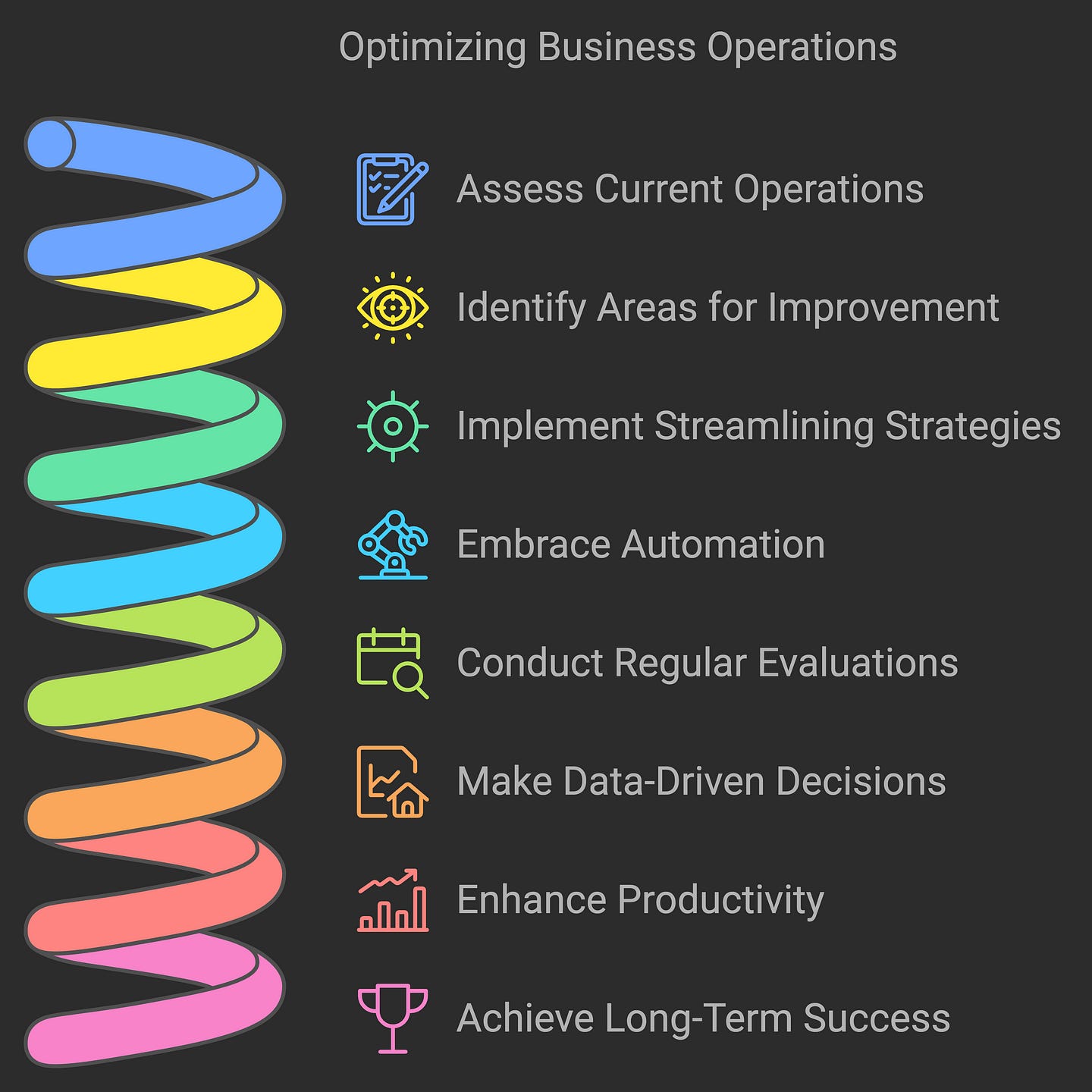
In today’s fast-paced business world, optimizing business operations is essential for achieving efficiency and success. Many organizations struggle with slow processes and inefficient resource management, resulting in wasted time and increased costs. This blog will explore effective strategies to enhance your business operations, enabling your team to focus on growth and exceptional customer service.
We will discuss the key benefits of optimizing business operations and outline practical steps to streamline workflows, implement automation, and make data-driven decisions. Regular process reviews and fostering a culture of continuous improvement within your team are also vital. By the end of this blog, you will have a clear plan to boost efficiency, leading to a more productive and engaged workplace.
Understanding Business Operations Optimization
Optimizing business operations is all about refining systems and processes to enhance efficiency. This involves analyzing current workflows to identify areas for improvement, cutting waste, and increasing productivity. Key strategies include streamlining workflows, improving resource allocation, and ensuring seamless operations.
Minimizing waste is vital for effective optimization. Research indicates that businesses that focus on waste reduction can boost profitability by up to 30%. This process often involves eliminating redundant tasks, reducing excess inventory, and improving communication. Proper resource management also leads to better response times and higher customer satisfaction.
A well-functioning operational flow is essential for daily tasks and facilitates growth. By enhancing processes and incorporating flexibility, companies can become more responsive to market changes. The goal of optimizing business operations is to foster an agile organization that consistently produces high-quality results.
Companies that prioritize optimization not only experience immediate improvements in efficiency but also cultivate a culture of continuous advancement, laying the groundwork for sustainable success. In the next section, we will explore the key benefits of optimizing your business operations and how they can positively impact profitability.
Key Benefits of Optimizing Business Operations
Optimizing business operations is crucial for enhancing overall performance and productivity. By recognizing the benefits, organizations can refine their operational strategies effectively.
One of the main benefits is cost reduction. Streamlining operations cuts unnecessary expenses, allowing businesses to reallocate resources towards more productive areas. This efficiency directly impacts the bottom line.
Additionally, increased productivity is a significant advantage. Optimized processes enable teams to work more efficiently, allowing employees to concentrate on high-value tasks and boost overall output.
Enhanced customer satisfaction also stems from efficient operations. Businesses with streamlined workflows can deliver faster services and higher-quality products, fostering stronger customer loyalty.
Lastly, scalability is facilitated through optimized operations. By streamlining processes, businesses can grow quickly and adapt to market changes with ease.
In summary, optimizing business operations not only drives internal improvements but also leads to external success. Understanding these benefits sets the stage for effective optimization strategies.
Next, let’s explore practical methods for optimizing your business operations.
Steps to Optimize Your Business Operations
To optimize business operations, you need a clear approach that identifies inefficiencies and embraces continuous improvement. Here are the essential steps to follow:
Conduct a Process Audit: Begin by thoroughly auditing your current processes. Mapping out workflows will help you pinpoint bottlenecks and redundancies. Recognizing these inefficiencies is critical, as it allows you to concentrate on areas needing enhancement for smoother operations.
Automate Repetitive Tasks: Leverage AI tools like Brainbase to automate routine tasks. This strategy minimizes errors and allows employees to focus on higher-value work, ultimately boosting overall productivity.
Optimize Resource Allocation: Assess your team’s workload and prioritize tasks according to their urgency. By efficiently directing resources to priority projects, you enhance effectiveness and ensure that critical tasks are accomplished on time.
Implement Lean Principles: Adopt lean management strategies to eliminate waste. This involves cutting non-value activities and optimizing resources, which increases value for both the business and its customers.
Leverage Technology: Use data analytics and software to make informed, smart decisions. Dashboards can help visualize performance and highlight areas needing improvement, thus guiding better strategies.
Foster Continuous Improvement: Cultivate a workplace culture centered around ongoing enhancement. Regularly collect employee feedback and review performance metrics to ensure processes and strategies are adaptable.
By implementing these steps, you can successfully optimize business operations, significantly increasing efficiency and creating a solid foundation for future automation and enhancements.
Implementing Automation for Efficiency
Automation plays a crucial role in optimizing business operations by enhancing productivity and efficiency. By automating repetitive tasks, businesses can focus their resources on strategic initiatives that foster growth.
Begin by identifying time-consuming tasks, such as data entry and report generation, that can be automated. This not only minimizes workflow delays and human error but also saves valuable time and resources.
Next, select user-friendly software solutions, like Brainbase, that align with your business needs. These tools should streamline workflows and provide real-time insights into operations.
Training employees to effectively use these tools is essential. Proper training enhances morale and productivity while encouraging staff to share feedback and identify further automation opportunities.
Finally, regularly monitor your automated processes. Establish key performance indicators (KPIs) to ensure that automation meets your evolving goals. Remember, optimizing business operations requires continuous refinement of your automation strategies as technology evolves.
Regular Process Reviews and Continuous Improvement
To optimize business operations, it is essential to conduct regular process reviews and foster a culture of continuous improvement. Ongoing audits help pinpoint bottlenecks that hinder efficiency. Making these reviews a routine practice ensures that all operations align with the broader business goals.
Incorporating feedback mechanisms allows team members to share insights on enhancing processes. Employees provide valuable perspectives on inefficiencies, and a structured way for them to submit suggestions can lead to innovative solutions that boost productivity. Companies that actively seek employee feedback often experience a 10% increase in operational efficiency.
Moreover, businesses must remain flexible and adjust their processes as market conditions change. By adapting strategies to new challenges, organizations can significantly enhance their operational efficiency, potentially outperforming competitors by 30%.
Embedding these practices within the company culture lays a strong foundation for optimizing business operations. Utilizing a data-driven approach to decision-making will further increase efficiency.
Making Data-Driven Decisions
To optimize business operations, begin by defining clear goals and key metrics. This foundation ensures that every decision you make enhances operational efficiency. Collecting relevant data from sources such as internal performance reports, employee feedback, and external market trends is essential. A structured approach to data collection will inform your optimization strategy effectively.
Utilizing data visualization tools can help present insights in a clear manner; charts and graphs allow your team to quickly identify trends and pinpoint areas for improvement. From these insights, create a detailed action plan that outlines specific strategies for better performance. Be sure to include actionable steps and assign responsibilities to ensure accountability.
Once changes are implemented, measure their impact to evaluate effectiveness. Regular assessments foster continuous improvement and strengthen a data-driven culture within your organization.
Conclusion
In today’s fast-paced world, it is crucial to optimize business operations to achieve maximum efficiency. We explored the fundamentals of operational optimization, including how to understand your processes, the benefits of enhancing operations, and the practical steps needed for successful implementation. Additionally, we highlighted the role of automation in boosting efficiency, the necessity of regular process evaluations, and the significance of making data-driven decisions.
Now is the time to take action. Start by assessing your current operations to identify areas for improvement. Implement strategies that streamline your processes effectively. Keep in mind that optimizing business operations is an ongoing journey that paves the way for growth and efficiency.
By embracing these changes, you can enhance productivity, leading to better results and a thriving business. Following these steps not only helps meet market demands but also positions your business for long-term success.
About Brainbase
Brainbase is an AI-powered platform that automates repetitive workflows across diverse business functions, such as sales, customer support, HR, and document processing, enhancing operational efficiency.
With Brainbase, enterprises can optimize workforce productivity by delegating routine tasks to AI while maintaining control over their data and processes. Discover how our customizable solutions can integrate seamlessly into your existing workflows to drive success!